In the pursuit of sustainable aquaculture, the industry has aggressively moved toward reducing fishmeal in commercial diets. However, replacing this high-quality protein often comes with hidden biological costs – increased gut inflammation, suppressed immunity and greater susceptibility to disease outbreaks (Robert et al., 2014).
Modern formulation is no longer just about meeting amino acid requirements; it is about providing functional bioactives that can mitigate these negative impacts.
Marine protein hydrolysates are proving to be the essential link, acting as a ‘biological shield’ that enhances the health and survival of both fish and shrimp in intensive systems.
Unlocking cryptides: A mechanism of functional health
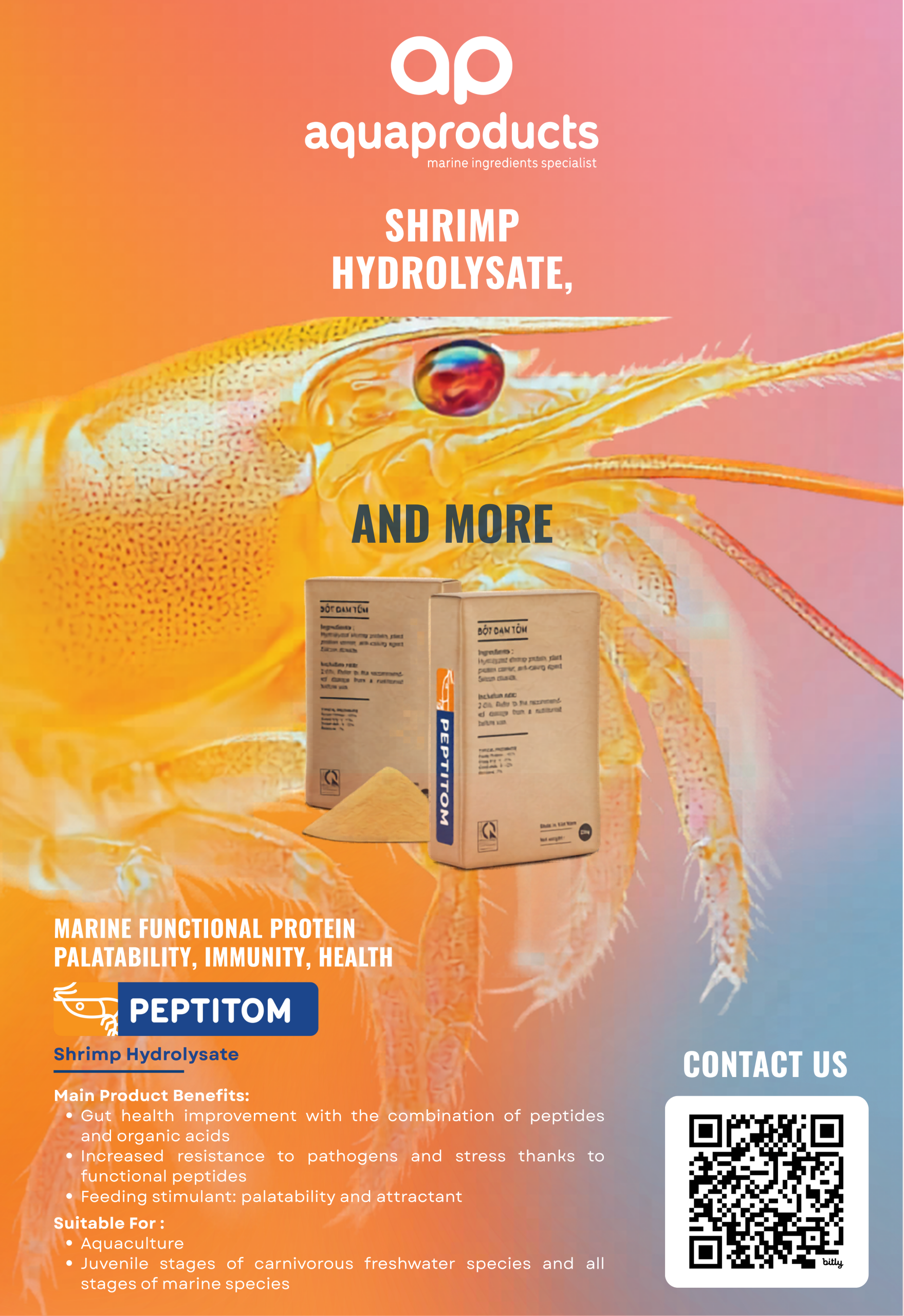
The primary strength of marine protein hydrolysates such as PEPTITOM (Aquaproducts, Vietnam), lies in their molecular composition. Produced through a controlled enzymatic bioprocess, these ingredients are exceptionally rich in low-molecular weight peptides, with over 90% typically below 1,000Da. This process releases bioactive cryptides—effector peptides derived from larger protein precursors like haemocyanin (Coates and Nairn, 2014).
In shrimp-based hydrolysates, haemocyanin is the predominant precursor (Robert et al., 2014). Once cleaved, these haemocyanin-derived peptides function as natural antibiotics, offering direct antimicrobial, antioxidant and antiviral properties (Yang et al., 2018; Coates and Nairn, 2014). These small peptides are not only highly digestible but also actively stimulate the host’s innate immune system, providing a functional layer of protection that standard fishmeal or plant proteins cannot offer (Robert et al., 2014).
Mitigating the performance gap in fish
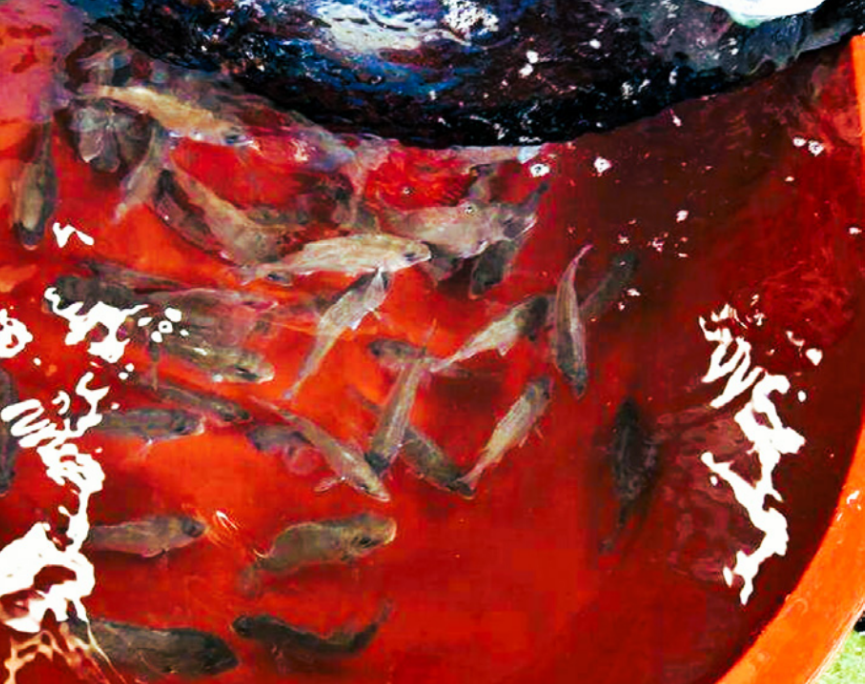
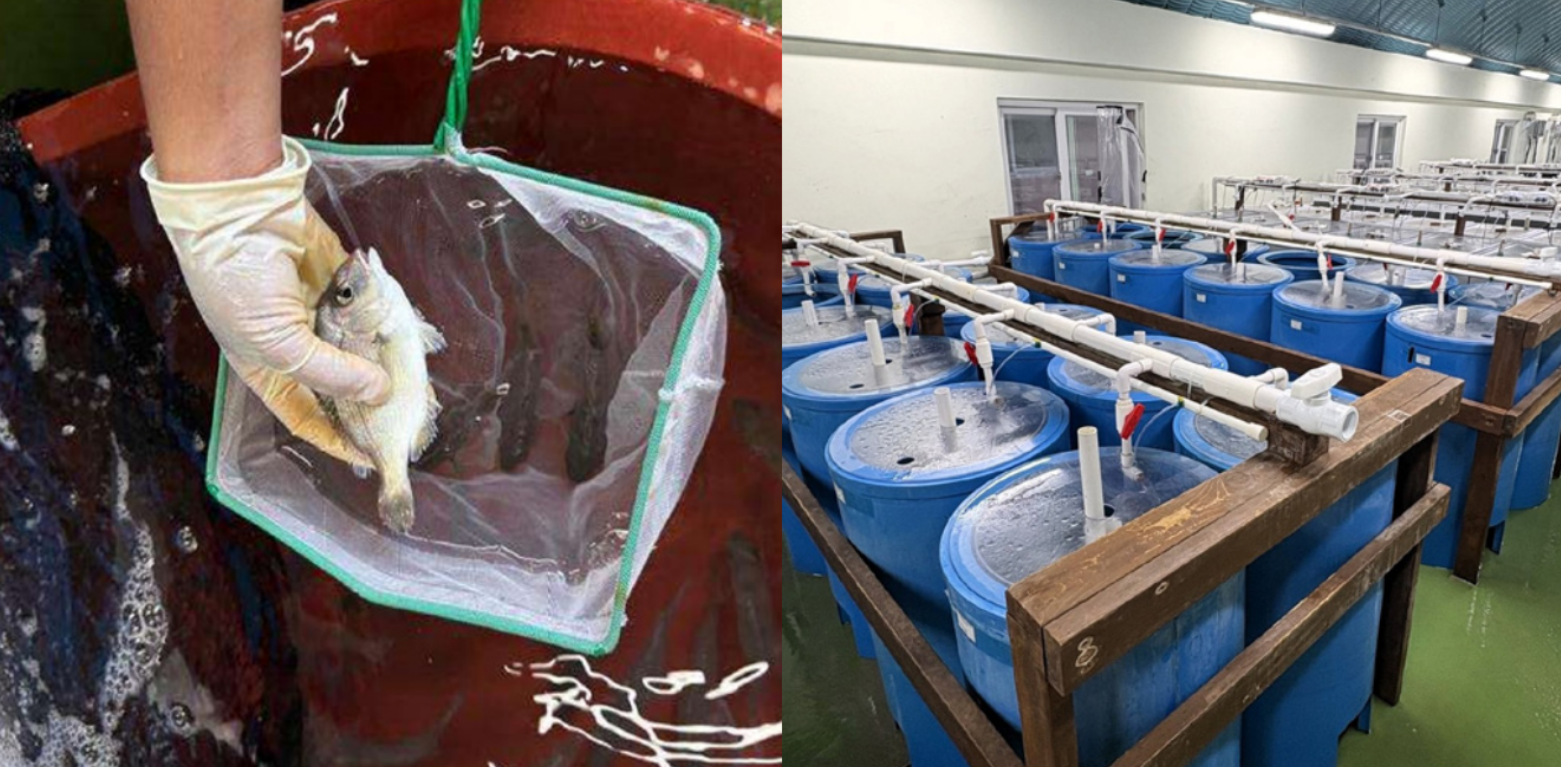
Reducing fishmeal can often impair gut health. Trials at Jeju National University, however, show that marine protein hydrolysates can bridge this gap. In species such as olive flounder Paralichthys olivaceus and red seabream Pagrus major, a dietary inclusion of hydrolysates significantly
upregulated anti-inflammatory genes (such as IL-10 and TGF-β) while suppressing pro-inflammatory signalling.
“Fish fed the marine protein hydrolysate exhibited increased intestinal villus height, which expands the absorptive surface area, and a superior microbial balance.”
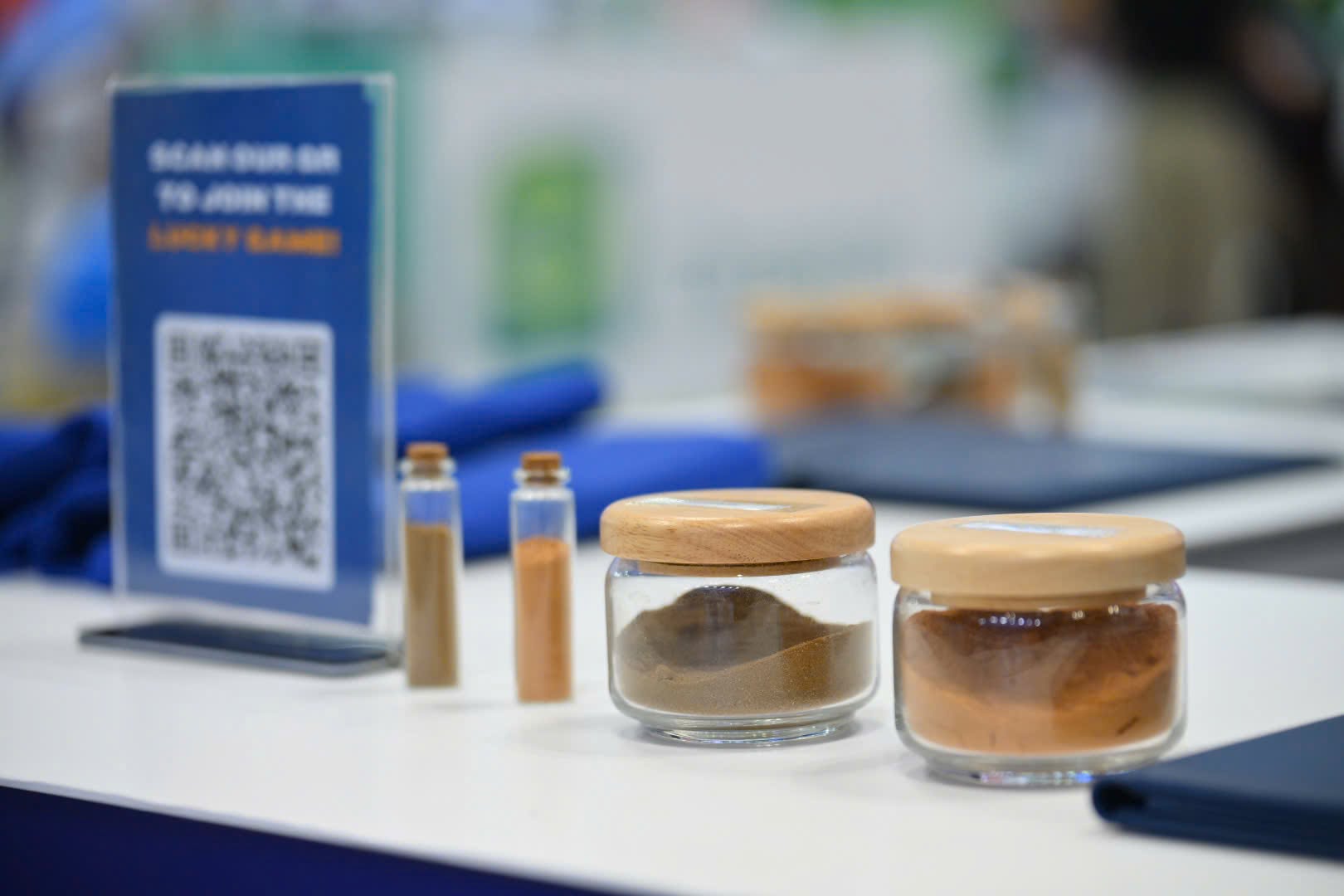
Beyond gene expression, these functional ingredients optimise the physical environment of the gut. Fish fed marine protein hydrolysates exhibited increased intestinal villus height, which expands the absorptive
surface area, and a superior microbial balance. Specifically, the inclusion of PEPTITOM was shown to promote growth of beneficial Lactobacillus spp. while significantly reducing potentially pathogenic Vibrio counts. This improved gut stability is a critical factor in maintaining consistent growth rates in low-fishmeal diets.
Shrimp health: Resilience against emerging pathogens
For shrimp producers, the challenge of fishmeal reduction is often compounded by high-risk diseases such as early mortality syndrome (EMS) and acute hepatopancreatic necrosis disease (AHPND).
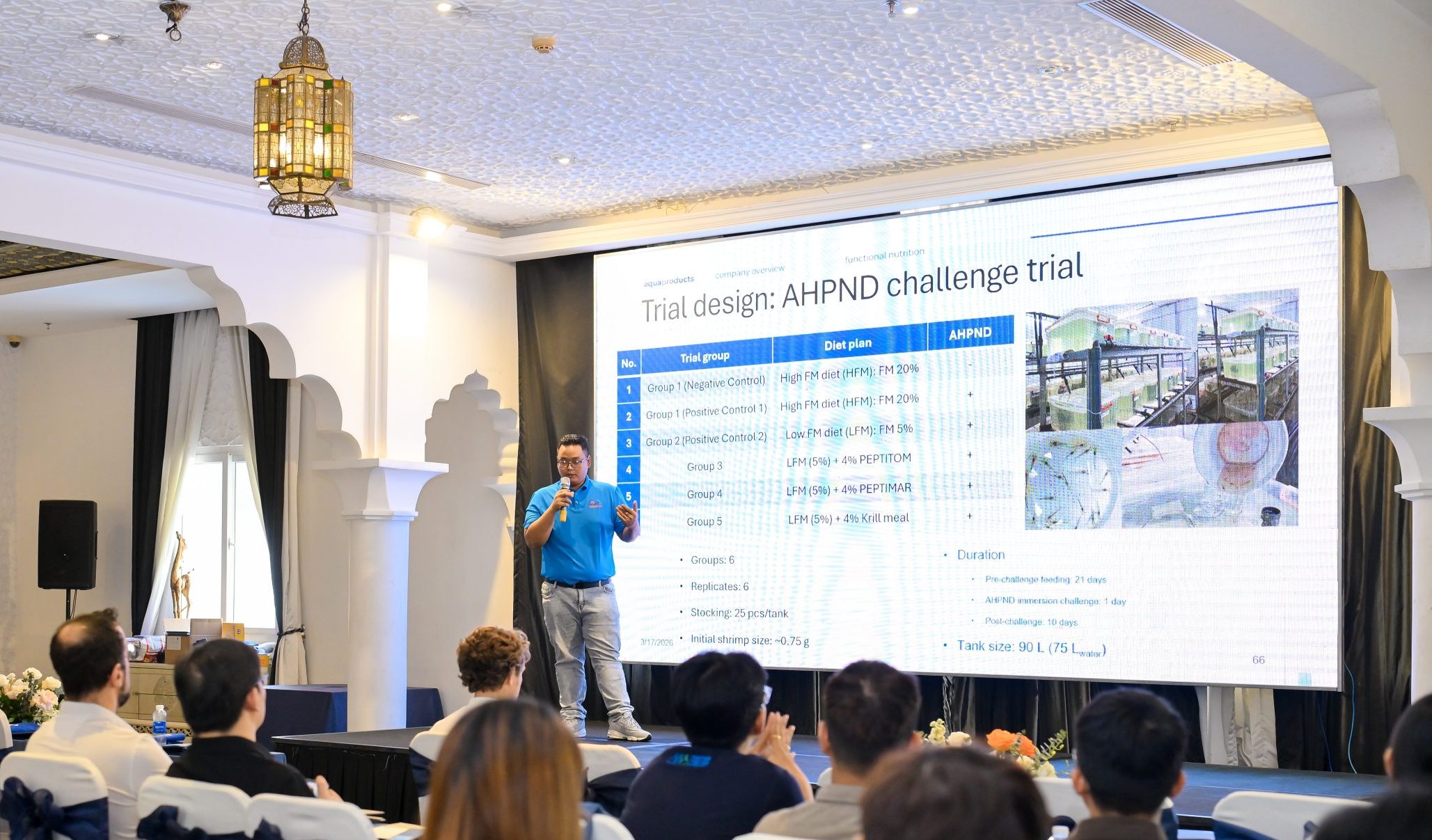
Research conducted by ShrimpVet Laboratory in Vietnam highlights the functional role of marine peptides in whiteleg shrimp Penaeus vannamei. The data confirms that supplementing a low-fishmeal diet (5%) with 4% of the marine protein hydrolysates allows shrimp to match or exceed the growth performance of a standard 20% fishmeal diet. This indicates a powerful ‘fishmeal sparing’ effect, where the bioactive quality of the protein compensates for a lower quantity of traditional marine ingredients.
Shrimp health: Resilience against emerging pathogens
The most compelling evidence for the use of marine protein hydrolysates is their impact on animal survival during pathogenic challenges. Nutrition can no longer be viewed in isolation from disease tolerance:
- During a challenge with the pathogen Edwardsiellatarda, olive flounder and red seabream fed diets supplemented with the marine protein hydrolysate achieved the highest survival rates across all experimental groups. The enhanced innate immunity markers, such as increased lysozyme and myeloperoxidase (MPO) activities, provided the fish with a robust first line of defence that significantly lowered mortality.
- The protective effects were equally pronounced in shrimp facing an EMS/AHPND immersion challenge. Shrimp fed PEPTITOM recorded a survival rate of 54.17%, outperforming both the low-fishmeal basal diet (45%) and the high-fishmeal control (46.67%).
Practical inclusion strategy: maximising performance while reducing fishmeal
The successful application of marine protein hydrolysates relies not only on their biological functionality but also on a precise and strategic inclusion approach. When correctly implemented, PEPTITOM enables significant reductions in fishmeal while maintaining—or even enhancing—animal performance.
Core replacement strategy
This marine protein hydrolysate is primarily used as a direct functional replacement for fishmeal in aquafeed formulations. Typical replacement ratios range from 1:1 to 1:3 (PEPTITOM:fishmeal), depending on species requirements, formulation constraints and the targeted market positioning of the final feed.
As a general guideline, a baseline inclusion level of 2–5% is recommended for most applications, providing both nutritional and functional benefits without major reformulation constraints.
Species-specific optimisation
The trial data demonstrates that optimal inclusion levels vary depending on species and production objectives:
- Olive flounder: an inclusion of 20% effectively compensated for a reduction in fishmeal from 65% to 25%, delivering the highest growth performance observed in trials and outperforming high-fishmeal control diets.
- Red seabream: an inclusion of 10% is recommended to bridge the performance gap in low-fishmeal diets (30% down to 10% fishmeal). A lower inclusion of 5% already improves weight gain and feed efficiency, though 10% is required to fully match high-fishmeal benchmarks.
- Whiteleg shrimp: a 4% inclusion is highly effective in ultra-low fishmeal diets (~5%), enabling shrimp to match or exceed the performance of conventional 20% fishmeal diets while delivering superior survival under disease challenge conditions.
Targeted functional applications
Beyond simple protein replacement, this marine protein hydrolysate PEPTITOM should be strategically positioned where its bioactive properties generate the highest return:
- Larval and early juvenile nutrition: at early stages, survival is the main constraint due to high vulnerability to stress and pathogens. PEPTITOM provides bioactive peptides that stimulate innate immunity, such as lysozyme and myeloperoxidase activity (MPO), reinforcing defence mechanisms when the immune system is still developing and directly supporting improved survival.
- Stressful and transfer periods: inclusion in functional feeds
during grading, transport, or environmental shifts helps reinforce innate immunity (lysozyme, MPO activity) and antioxidant defences, reducing mortality risk. - Sustainable formulations: this marine protein hydrolysate is a key tool for reducing Fish In: Fish Out (FIFO) ratios and improving environmental performance without compromising growth—addressing both regulatory and market-driven sustainability targets.
Formulation synergies and palatability
With a high free amino acid content, this marine protein hydrolysate also acts as a powerful natural feed attractant. This allows formulators to incorporate higher levels of alternative, less palatable proteins while maintaining feed intake—an essential factor in the success of low-fishmeal diets.
Conclusion: A strategic necessity for modern feed
As aquaculture moves toward higher inclusion of alternative proteins, marine protein hydrolysates have transitioned from ‘optional additives’ to strategic necessities. By delivering highly absorbable nutrients alongside a potent array of immune-boosting cryptides, products such as PEPTITOM help maintain animal health and survival. For the producer, this translates to lower production risk and more resilient stocks under the inevitable stresses of farm environments.