
Shrimp hydrolysate is a protein ingredient made by using enzymes to break down shrimp by-products, such as heads, into short peptides and amino acids. As fishmeal supply tightens and Vietnamese shrimp exporters face margin pressure, feed producers are testing it as a way to cut fishmeal inclusion without losing growth performance.
Key takeaways
- Fishmeal output from IFFO members fell 28% year on year in Q1 2026, and Peru cut its first-season anchovy quota by 36% (Aliyar, 2026).
- Vietnam’s white-leg shrimp exports grew only about 4% in the first 10 months of 2026 and fell 8.3% in October (Phúc Hà, 2026).
- In a trial with Jeju National University on juvenile red seabream, 10% PEPTITOM (a shrimp hydrolysate) allowed fishmeal to fall from 30% to 10% with no loss in growth.
- Hydrolysates complement fishmeal rather than replace it everywhere: results depend on species, feed formula and growth stage.
Why is fishmeal getting harder to source in 2026?
Fishmeal production by members of IFFO, the marine ingredients trade body, fell 28% year on year in the first quarter of 2026. Those members account for about 40% of global output. Peru, which usually supplies around 20% of the world’s fishmeal and fish oil, set its first-season anchovy quota at 1.91 million tonnes, 36% below the same season a year earlier. Industry projections cited by International Aquafeed suggest shortages could emerge as early as 2028, with demand exceeding supply by up to 25% by 2030 (Aliyar, 2026).
Why does feed cost matter for Vietnam's shrimp sector now?
Vietnam’s seafood exports reached USD 10.459 billion in the first 10 months of 2026, up 12.1%, but shrimp lagged. October shrimp exports fell 4.9% to nearly USD 474 million, and white-leg shrimp fell 8.3%. VASEP also reports that Ecuador’s shrimp export volume rose 19.8% (Phúc Hà, 2026). On 3 November 2026, the US Department of Commerce issued the final results of its 20th administrative review of anti-dumping duties on Vietnamese frozen warmwater shrimp (Chí Nhân, 2026).
When selling prices are hard to lift, production cost becomes the main lever. A November 2026 report notes that feed, electricity, materials and environmental treatment costs remain high, and that white spot disease and acute hepatopancreatic necrosis continue to threaten farms (Việt Anh, 2026).
What is shrimp hydrolysate and how is it made?
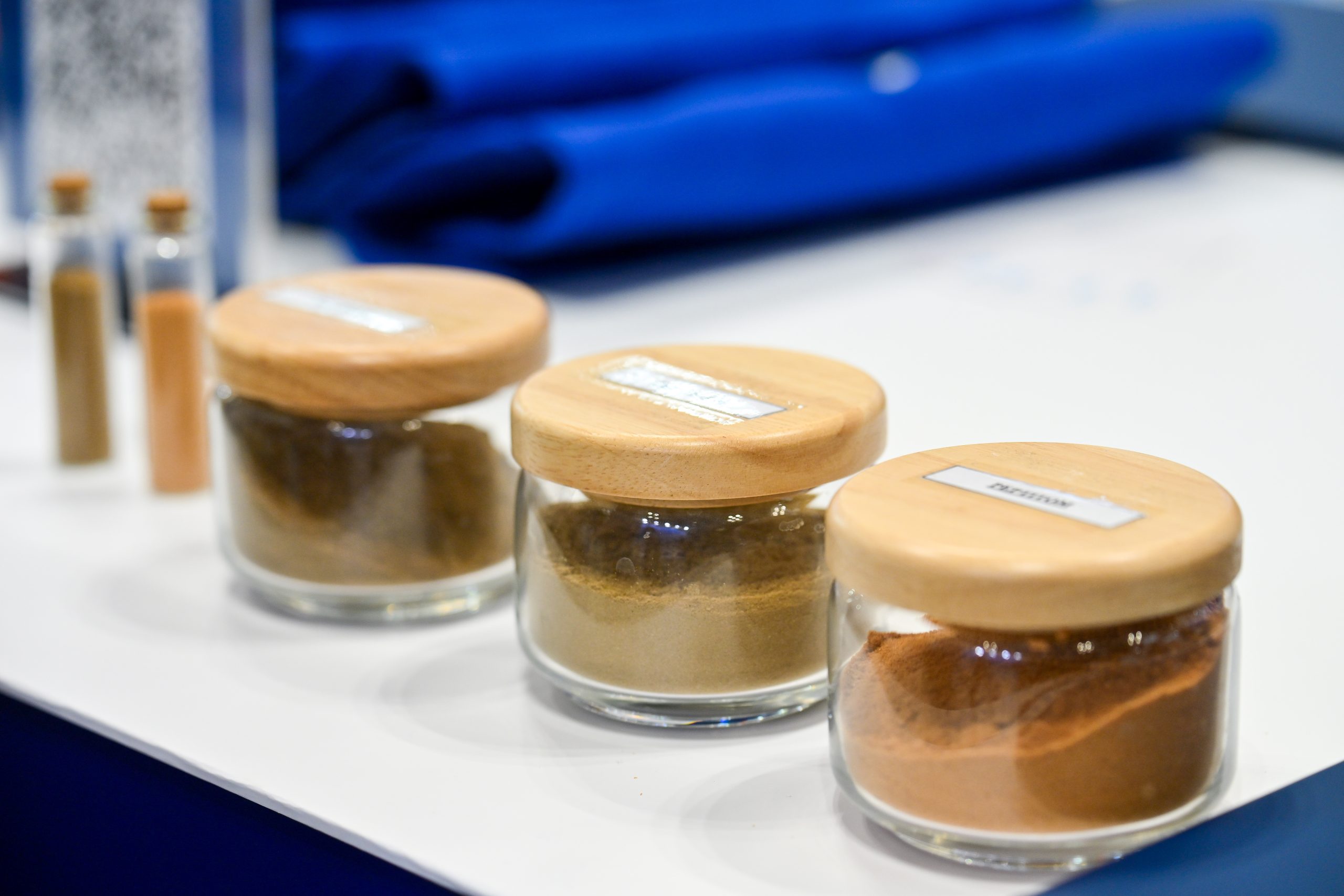
Enzymatic hydrolysis uses enzymes to break proteins into shorter peptides and free amino acids. Applied to shrimp heads, it turns a processing by-product into a feed ingredient. Aquaproducts states that PEPTITOM is made this way and, because it includes shrimp hepatopancreas (an immune organ containing hemocyanin), is rich in antimicrobial peptides.
The approach fits a wider policy direction. Cà Mau province, with about 417,800 ha of shrimp farms, has named deep processing and by-product use as priorities for adding value (Việt Anh, 2026).
What does the research show?
A peer-reviewed trial in Frontiers in Physiology tested Pacific white shrimp under practical conditions. Replacing 15% of fishmeal with protein hydrolysates produced no difference in growth compared with the fishmeal control diet (Shao et al., 2018).
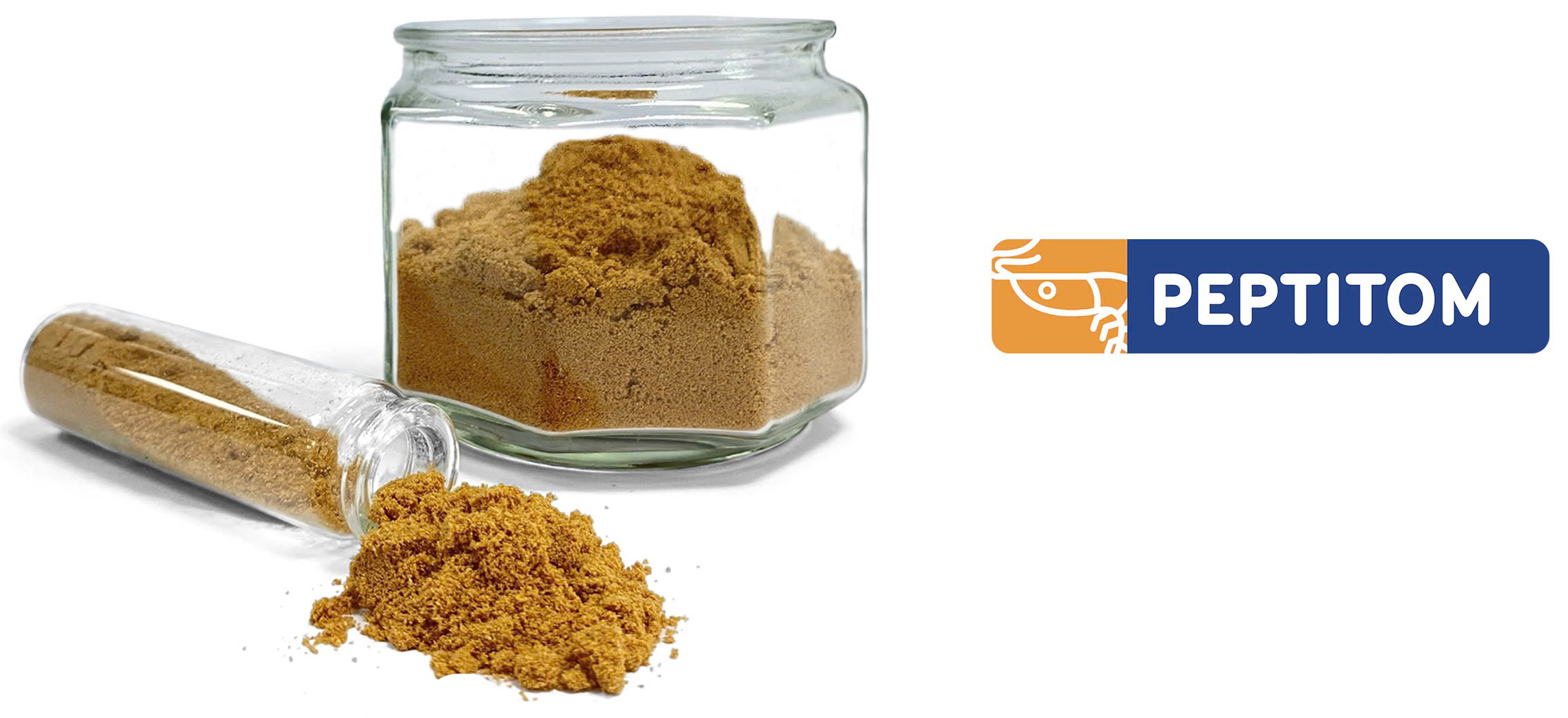
A collaborative study between Aquaproducts and Jeju National University, Republic of Korea, tested PEPTITOM in juvenile red seabream:
- Supplementing 10% PEPTITOM allowed fishmeal to drop from 30% to 10% of the diet, a 67% reduction, with no loss in growth performance.
- The best feed conversion ratio (FCR) reached 1.20, with significantly higher nutrient digestibility.
- Fish showed more beneficial gut bacteria (Lactobacillus), less liver stress and higher survival after an Edwardsiella tarda infection challenge.
This trial used fish, not shrimp, and a 10% inclusion rate. Results in commercial shrimp feeds will depend on the formula and should be validated in each producer’s own trials.
PEPTITOM at a glance
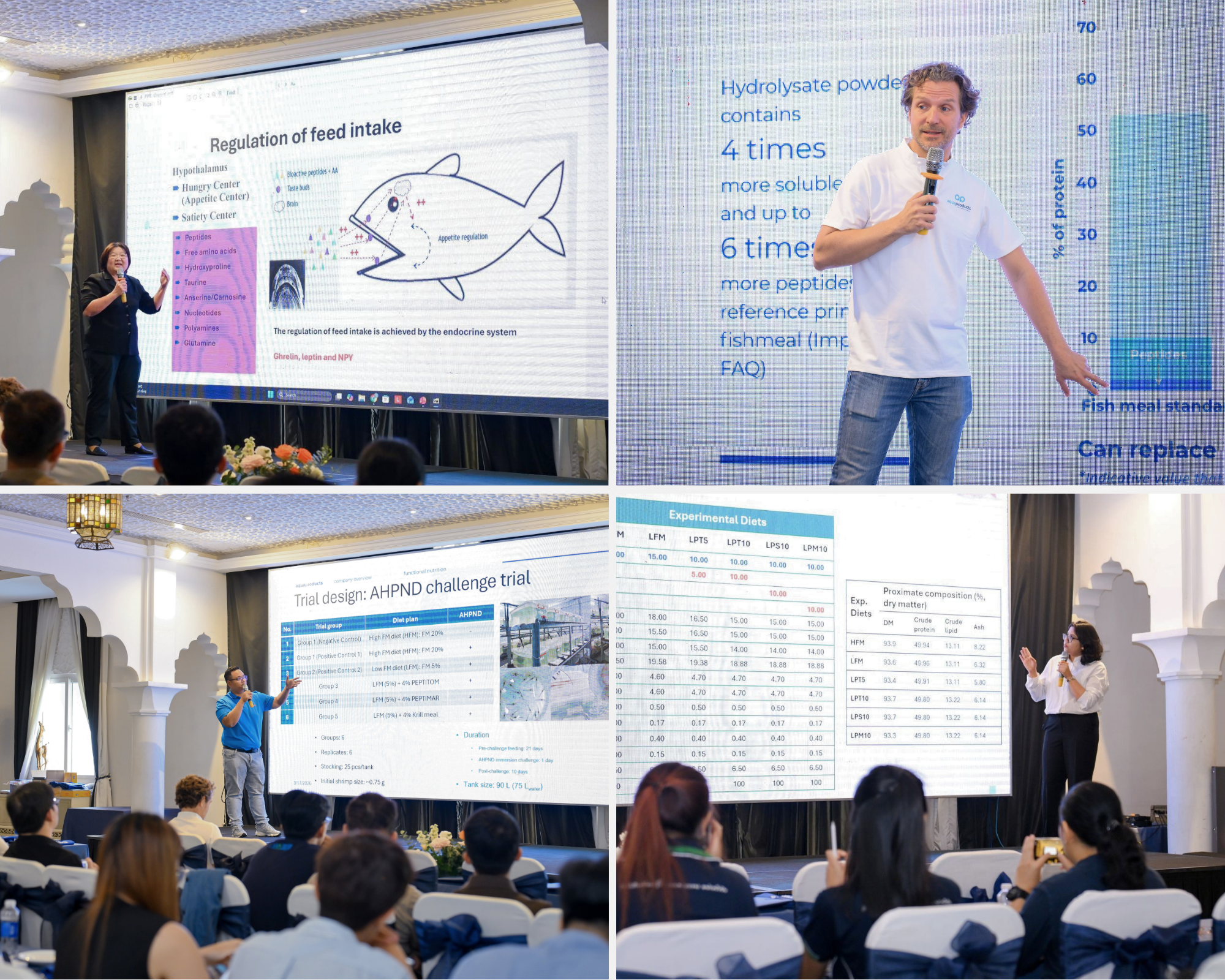
PEPTITOM là một nguồn protein động vật mang tính đổi mới có nguồn gốc từ Phân hủy enzym của shrimp heads, đặc biệt nhắm vào nhu cầu dinh dưỡng của critical stages in livestock and aqua feed.
This high-quality feed ingredient is rich in antimicrobial peptides, thanks to the inclusion of the shrimp’s hepatopancreas, an immune organ containing the hemocyanin protein.
| Tham số | Được đảm bảo | Tiêu biểu |
|---|---|---|
| Protein thô | Min. 58 % | 59 - 61 % |
| Mỡ thô | Min. 5 % | 5 - 7 % |
| Cặn tro | Max. 10 % | 8 - 9 % |
| Nước | Max. 10 % | 7 - 8 % |
Frequently asked questions
1. Can shrimp hydrolysate fully replace fishmeal?
Not on current evidence. Published and company trials show partial replacement: 15% of fishmeal in white shrimp (Shao et al., 2018) and a cut from 30% to 10% fishmeal in red seabream with 10% PEPTITOM. Outcomes depend on species, formula and growth stage.
2. Is PEPTITOM only for shrimp feed?
No. Aquaproducts positions it for shrimp and fish feeds, and also for piglets, sows and poultry.
3. Where is PEPTITOM made?
At Marine Biotech Vietnam (MBV) in Long An, which began operating in June 2024 with a target capacity of 10,000 tonnes per year. The site holds ISO 22000, HACCP and GMP certifications.
About Aquaproducts
Aquaproducts was founded in 2014 by French engineers Thomas Levallois and François Dupuis and is headquartered in Singapore. It converts seafood by-products into functional proteins through enzymatic hydrolysis. To request samples or technical documents, contact contact@aquaproducts.org or visit aquaproducts.org.
Sources
- Aliyar, A. (2026, July 31). Fishmeal production: Is the era of alternatives finally here? International Aquafeed.
- Aquaproducts. (n.d.). Animal feed. Retrieved November 9, 2026.
- Chí Nhân. (2026, November 6). Mỹ tăng thuế chống bán phá giá tôm Việt Nam, xuất khẩu cuối năm ra sao? Báo Thanh Niên (in Vietnamese).
- Phúc Hà. (2026, November 4). Xuất khẩu thủy sản vượt 10,4 tỷ USD, động lực nào cho cuối năm? Báo Công Thương (in Vietnamese).
- Shao, J., Zhao, W., Liu, X., & Wang, L. (2018). Growth performance, digestive enzymes, and TOR signaling pathway of Litopenaeus vannamei are not significantly affected by dietary protein hydrolysates in practical conditions. Frontiers in Physiology, 9, Article 998.
- Việt Anh. (2026, November 1). Ngành tôm tìm động lực tăng trưởng từ khoa học, công nghệ. Việt Báo (in Vietnamese).